What Does Professional Garden Maintenance Include?
A practical guide to professional garden maintenance, visit priorities and seasonal care for gardens around Farnham, Surrey and Hampshire.
Professional garden maintenance is planned, repeat care that keeps a garden usable, healthy and steadily improving. It is broader than lawn mowing, but it is not a promise that every possible task will be completed during every visit. A good maintenance arrangement starts with the condition of the garden, the season, the client’s priorities and the time realistically available.
For homes around Farnham and nearby parts of Surrey and Hampshire, the most useful programme usually combines routine jobs with a small number of seasonal priorities. That approach prevents urgent work from consuming every visit and gives borders, shrubs, hedges and lawns consistent attention over time.
The core work in a maintenance visit
A regular visit may include lawn mowing and edging, weeding, deadheading, bed care, leaf clearance, light pruning and the removal of obvious self-seeded growth. Gardeners can also watch for early signs of plant stress, damaged supports, blocked paths and jobs that need a different tool, more time or a separate quotation.
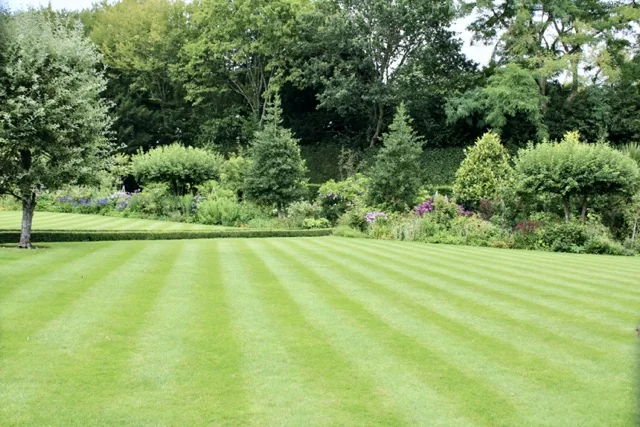
- mowing at a height suited to the season and lawn condition;
- neatening lawn edges and keeping paths usable;
- weeding beds and working through persistent weeds methodically;
- deadheading and cutting back plants when appropriate;
- light pruning of suitable shrubs and climbers;
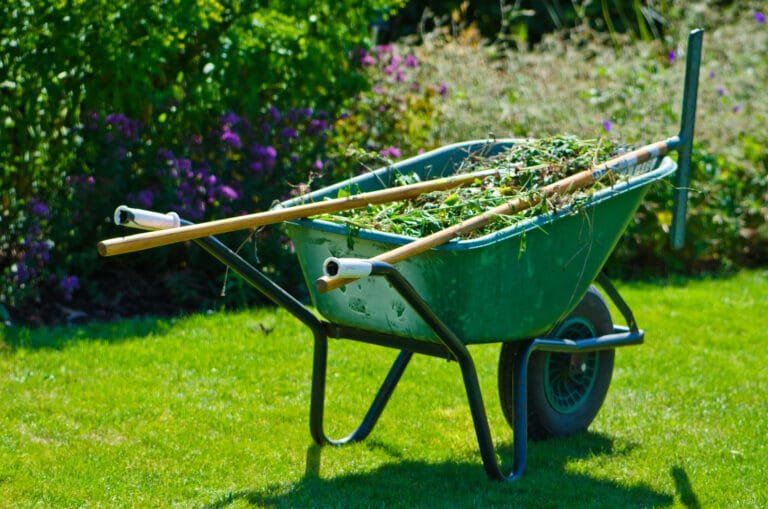
- tidying fallen leaves and routine green debris;
- checking plant ties, supports and simple staking;
- agreeing the next priorities with the client.
Some tasks are naturally separate. Large hedge reductions, specialist tree work, lawn renovation, major clearance, new planting, landscaping, pressure washing and substantial waste removal need suitable time, equipment and an agreed scope. Treating them as separate work protects the quality of the regular visit.
How priorities are chosen
Gardens do not grow at a steady rate. In spring, weeds, lawns and young shoots can move quickly. Summer may bring mowing, deadheading and watering concerns. Autumn creates leaf clearance and lawn-renovation opportunities, while winter can provide time for structure, access and dormant-season work. Weather, soil conditions and wildlife can also change what is sensible on the day.
A clear priority list is therefore more useful than a fixed promise to complete the same checklist every time. A typical order might be safety and access first, then time-sensitive plant work, lawn care, beds and presentation. If a garden needs recovery after a long gap, an initial tidy or several longer sessions may be more realistic before moving to a regular pattern.
What regular care can improve
Consistency reduces the need for repeated rescue work. Weeds are dealt with before they seed heavily, edges stay defined, shrubs are less likely to obstruct paths, and seasonal jobs can be scheduled rather than missed. It also makes it easier to identify where a planting scheme is underperforming, where a lawn is compacted or where a border needs restructuring rather than another quick tidy.
Professional maintenance cannot remove the effects of shade, drought, waterlogging, poor soil or normal plant decline. It can, however, help the garden respond better by matching work to conditions and by setting honest expectations about aftercare.
How visits and quotations are assessed
Visit length and frequency depend on garden size, access, current condition, planting density, lawn area, growth rate, desired finish and green-waste requirements. A wildlife-friendly garden may need a different rhythm from a formal garden with clipped edges and closely maintained hedges. A quotation should explain the team size, likely visit length, agreed priorities and whether waste removal or materials are included.
BHI Gardening assesses work before confirming a programme. For more detail, see our garden maintenance service in Farnham. Where the garden needs a defined improvement project, our soft landscaping and lawn care pages explain related options.
A realistic annual rhythm
In early spring, the first priority is often to clear winter debris, check damaged growth and regain the edges before vigorous growth begins. As lawns restart, mowing resumes gradually rather than with one very low cut. Beds are weeded while unwanted seedlings are still manageable, and supports can be placed before tall perennials collapse.
Late spring and early summer usually bring the greatest pressure. Grass, weeds, hedges and climbers can all grow quickly at the same time. The visit may therefore focus on keeping the garden functional and preventing problems, with improvement work scheduled separately. In hotter weather, mowing height and frequency may change, and recently planted areas need closer observation.
Autumn is not simply a long clearance. It can be a useful time to renovate suitable lawns, divide or move certain plants, plant new material and review the garden’s structure. Leaves may be removed from lawns and paths while some stems and seed heads are retained where they provide winter character or wildlife value. Winter visits can then address access, storm damage and appropriate dormant-season work.
What maintenance does not replace
Routine care cannot compensate indefinitely for a plant in the wrong place, a lawn laid over compacted soil or a path with failed construction. Repeatedly cutting back an oversized shrub may be less sensible than redesigning that part of the bed. Moss treatment alone will not correct deep shade or persistent waterlogging. Professional observation should help distinguish a maintenance issue from a design, drainage or construction issue.
It also does not replace client decisions. Access arrangements, desired finish, disposal, watering and approval for additional work need to be clear. A written record of priorities is particularly useful when several people use the garden or when the programme changes with the season.
Preparing for the first visit
Before work begins, point out fragile surfaces, irrigation, cables, ponds, pets and plants that are especially important to you. Explain how green waste should be handled and whether the team can use water or electricity. If there is more work than the booked time can cover, choose the first priorities. A shared starting point avoids a hurried list of unrelated tasks and makes the result easier to assess.
Frequently asked questions
Does garden maintenance include hedge trimming?
Small, routine shaping may fit an agreed visit, but long, tall or overgrown hedges normally need separate time and equipment. See our hedge trimming service.
Will every task be completed at each visit?
No. The team works through the agreed priorities within the booked time, adjusting for season, weather and garden condition. Larger tasks are discussed separately.
Is green-waste removal included?
Waste handling should be agreed in the quotation. The volume, access and type of material affect the time and disposal requirement.
Arrange an assessment
If you would like a practical plan for regular care or an initial tidy, request a garden visit. We will discuss the garden, the finish you prefer and a realistic starting point.