When Should Hedges Be Trimmed? A Practical UK Guide
A practical UK hedge-trimming guide covering species, formal and informal hedges, nesting birds and realistic maintenance timing.
The right time to trim a hedge depends on the plant, whether it is formal or informal, the finish required and whether wildlife is using it. Many established formal hedges are trimmed once or more during the growing season, while flowering hedges may need one carefully timed cut after flowering or fruiting.
The calendar is only a guide. Before work begins, the hedge should be identified and checked for active nests. Weather, new growth, access and the hedge’s condition also affect what is safe and useful.
Formal and informal hedges need different treatment
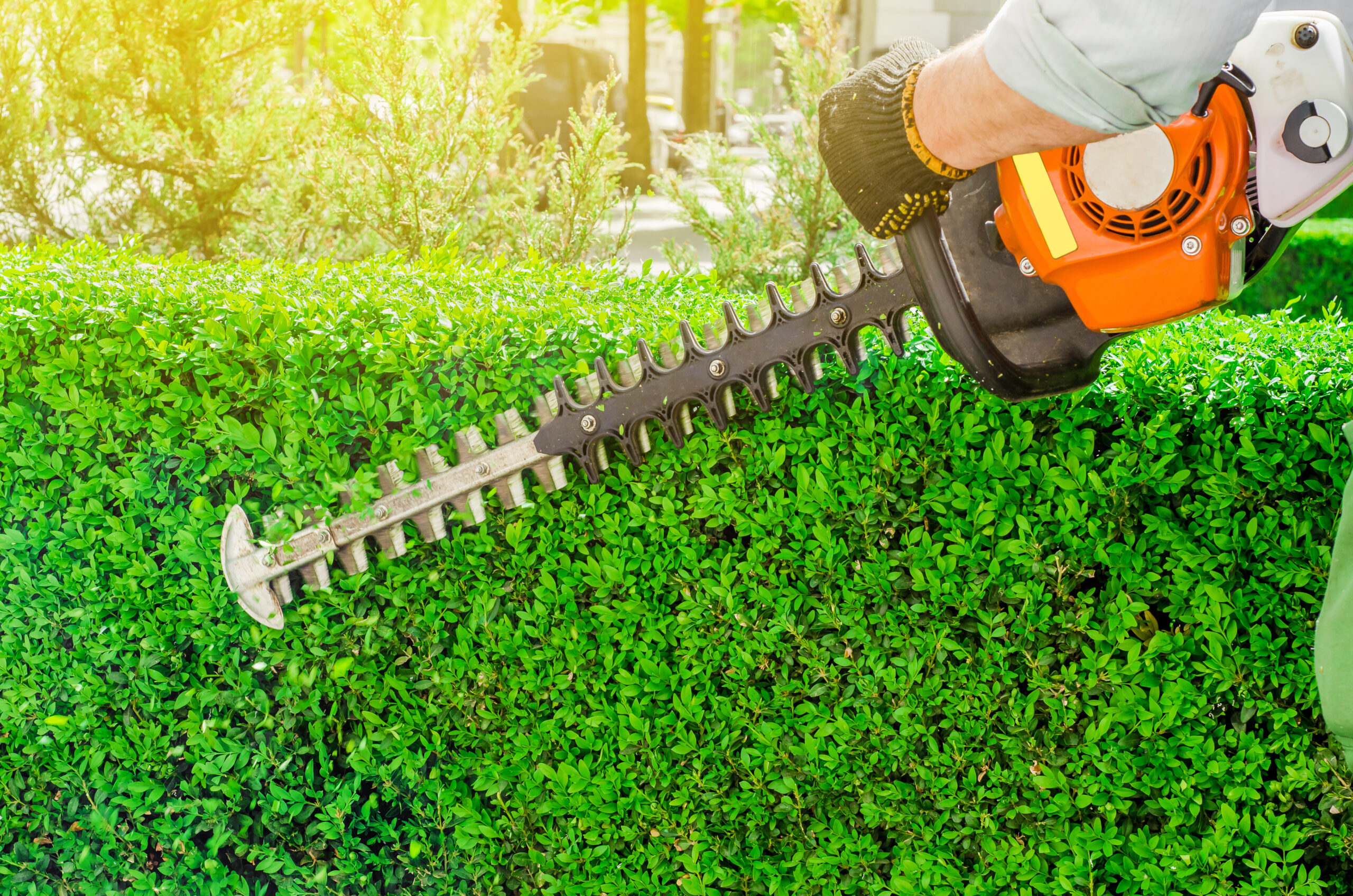
A formal hedge is maintained as a defined shape. Privet, leylandii and box may need more than one light trim during active growth if a crisp outline is wanted. Regular work removes young growth and prevents the hedge from expanding beyond its intended width.
An informal hedge is allowed to keep a looser outline, flowers or fruit. It may only need one annual prune, timed for the species. Cutting at the wrong point can remove flower buds or reduce berries that provide winter interest and food for wildlife.
Typical timing by hedge type
RHS guidance distinguishes between species rather than giving one universal trimming date. Examples include holly and beech in late summer, yew in summer and autumn, and privet two or three times during the growing season where a formal finish is required. Flowering hedges such as forsythia are generally pruned after flowering.
- Privet: repeated light trims may be needed during active growth.
- Beech and hornbeam: a late-summer trim often maintains a formal screen.
- Yew: usually tolerant of regular shaping and, unlike most conifers, capable of responding from older wood.
- Leylandii and many conifers: keep cuts within green growth; severe cutting into bare old wood may not recover.
- Flowering hedges: identify the plant and prune at the point that preserves the next display.
These are starting points, not a substitute for inspecting the actual hedge. A mixed native hedge may contain several species and is usually managed more conservatively than a single-species formal boundary.
Nesting birds and the law
In England, wild birds, their eggs and active nests are protected. It is an offence to intentionally take, damage or destroy a wild bird’s nest while it is being used or built. The commonly described nesting season is March to August, but birds can nest outside those dates. A date alone does not make cutting safe.
Check the hedge carefully before work. Repeated bird movement into one area, alarm calls or nesting material can indicate activity. If an active nest is found or suspected, postpone the affected work until it is no longer in use. Work should never be forced through because a visit has been booked.
Routine trimming and major reduction are not the same
A maintenance trim removes recent growth and restores the line. A height or width reduction removes more material and needs closer assessment. The species, access, stem thickness and amount of live foliage left behind determine whether a reduction is realistic.
Overgrown conifers are a common example. Cutting beyond green growth can leave permanent brown areas, so replacement may be more sensible than an aggressive reduction. Tall hedges can also require platforms, long-reach equipment and a separate waste plan.
Weather and working conditions
Avoid powered hedge work in unsafe wet or windy conditions. Hot, bright weather can also expose newly cut foliage to stress. Good access, stable working positions and suitable equipment are part of the assessment, not details to be improvised after cutting starts.
BHI Gardening provides hedge trimming around Farnham, including routine shaping and appropriate reductions. We do not describe this as specialist tree surgery. Where the work is outside our safe or practical scope, we will say so.
A practical seasonal approach
Winter can be useful for assessing the framework of deciduous hedges and carrying out suitable formative work, but species-specific guidance still applies. Early spring may be appropriate for some evergreen formative pruning, while flowering shrubs should be considered in relation to their flowering cycle.
During the main growing season, formal hedges may receive one or more light trims. Light, regular work usually gives a denser finish and avoids the shock of a major late reduction. Late-summer timing is common for beech and hornbeam, while conifers should generally be kept within live green foliage. Autumn can suit a final tidy for certain species, provided conditions and wildlife checks allow it.
A mixed boundary should be walked from both sides where access permits. One section may contain flowering shrubs, another vigorous evergreen growth and another an active nest. The appropriate decision can vary along the same hedge.
Before a contractor arrives
Confirm boundary ownership and access to the far side. Move fragile pots, garden furniture and children’s equipment away from the working zone. Point out wires, lights, irrigation and changes in level. If the hedge adjoins a pavement or shared route, traffic and pedestrian management may affect timing and equipment.
Explain the required height and width in practical terms and identify any sections that screen a window or neighbour. “Take a lot off” is not a specification. A measured target, photographs and a discussion of what the species can tolerate produce a safer agreement.
After trimming
Freshly exposed foliage can respond differently to heat, wind and frost. The result should be reviewed from both close range and normal viewing positions. Waste volume can be considerable; agree whether it will be chipped, composted, bagged or removed. Any damaged ties, unstable fence sections or woody stems beyond the agreed equipment should be recorded rather than hidden by a neat surface cut.
Frequently asked questions
Can hedges be cut between March and August?
There is no simple permission based only on the date. Active nests are protected, so the hedge must be checked and work postponed wherever a nest is in use or being built.
How often should a formal hedge be trimmed?
Commonly once to three times during the growing season, depending on species, growth and the finish required.
Can a brown conifer hedge be cut back hard?
Most conifers do not regrow from bare old wood. The hedge needs inspection before any substantial reduction is proposed.
Request a hedge assessment
For a practical view of timing, access and waste requirements, request a garden visit. No appointment or quotation is confirmed until the scope has been agreed.